Vancouver Vehicle Shipping Guide: How to Choose Reliable Transport Options for Your Car
Moving a vehicle to or from Vancouver requires careful planning, particularly when the journey involves long distances, changing weather conditions, or tight delivery schedules. Whether you are relocating to British Columbia, purchasing a vehicle from another province, moving for work, or arranging transportation for a family member, choosing the right shipping service can make the process considerably easier.
With several transportation methods and service providers available, understanding your options is essential. This guide explains how Vancouver vehicle shipping works, what to consider when comparing companies, how pricing is determined, and which steps can help protect your vehicle throughout the journey.
Understanding Vancouver Vehicle Shipping Services
Vehicle shipping involves transporting a car, truck, SUV, or another type of vehicle between two locations using specialized carriers or other suitable transportation methods. Instead of driving the vehicle yourself, you arrange for a transportation company to move it to your destination.
Vancouver is an important transportation hub in British Columbia, connecting local communities with destinations throughout Canada and the United States. Customers may arrange vehicle transport within Metro Vancouver, to other parts of British Columbia, or across longer routes to provinces such as Alberta, Ontario, and Quebec.
Professional vehicle transport can be useful for individuals moving between cities, students attending universities, military personnel relocating for work, dealerships managing inventory, and buyers purchasing vehicles remotely. It can also help owners avoid adding unnecessary mileage to a recently purchased or valuable car.
Before requesting a quote, identify your pickup location, delivery destination, preferred dates, vehicle dimensions, and any special handling requirements. Having these details ready makes it easier to compare services and receive estimates that reflect your actual needs.
Explore the Main Vehicle Transportation Options
Not every shipment requires the same equipment or level of protection. The best choice depends on your budget, vehicle type, route, and delivery expectations.
Open Car Transport
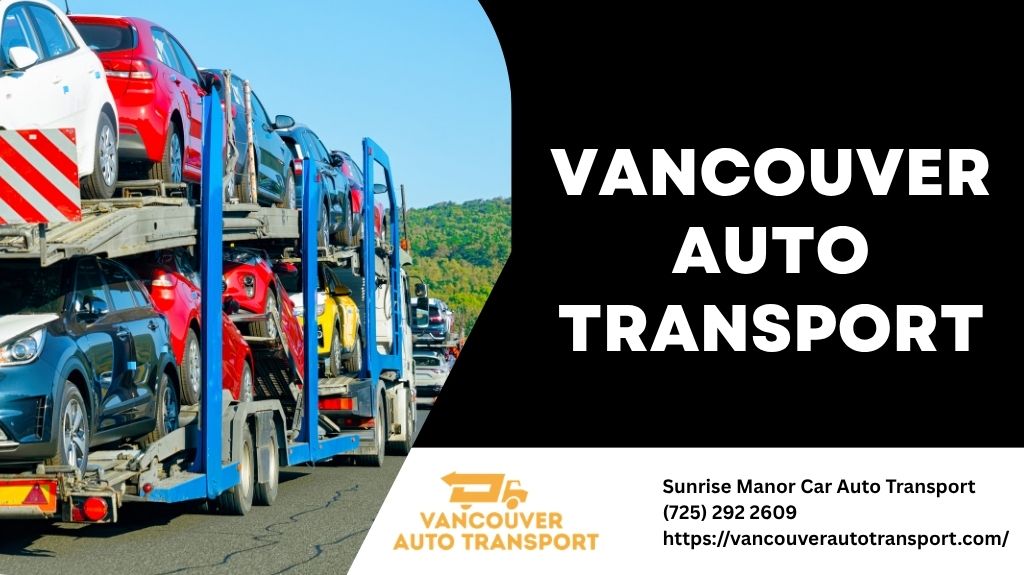
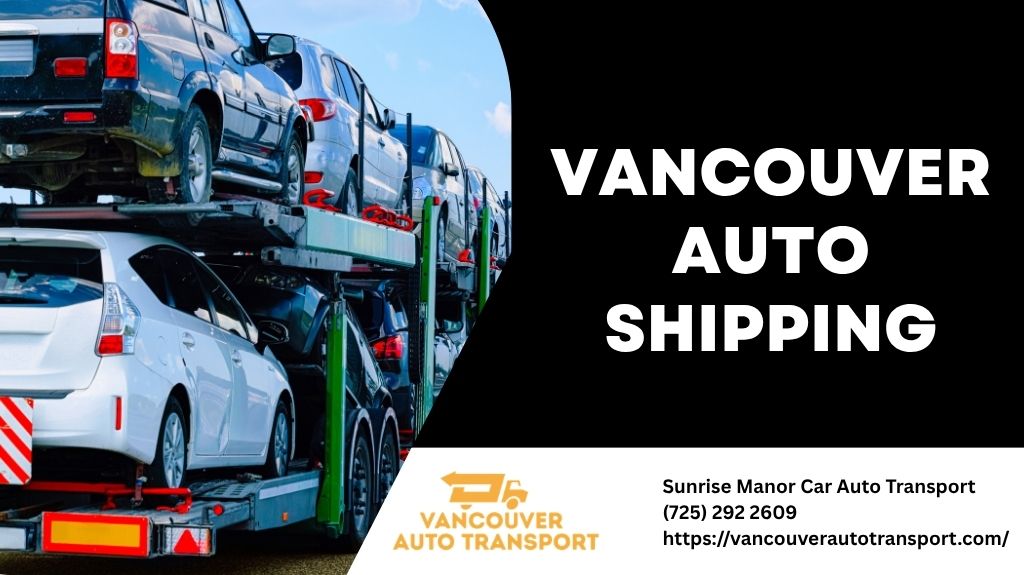
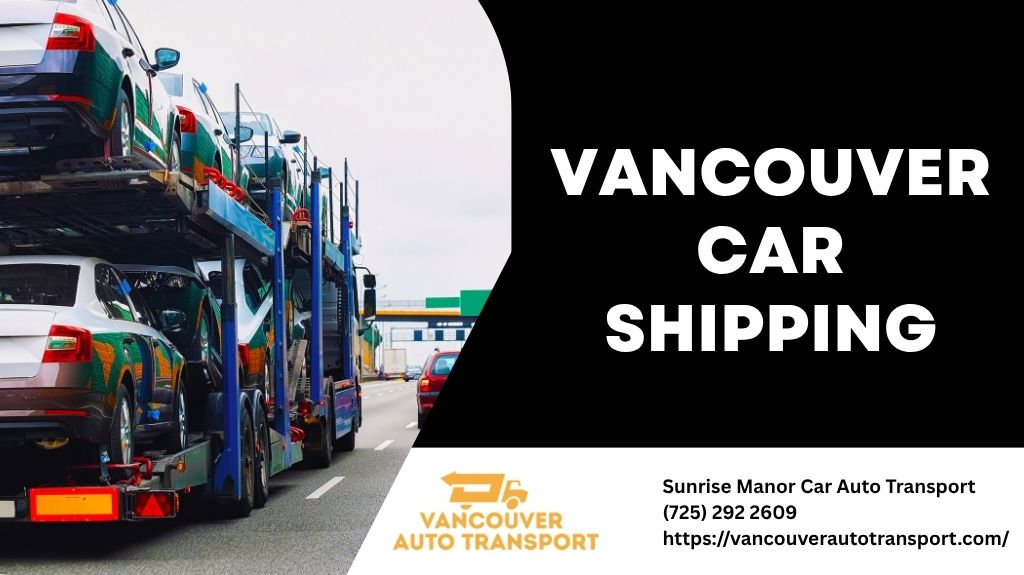
Open transport is one of the most common and economical ways to ship a vehicle. Cars are secured on an open carrier, similar to the trucks commonly used to deliver new vehicles to dealerships. This method is suitable for many standard cars, SUVs, and pickup trucks.
Although vehicles are exposed to normal outdoor conditions during transit, open carriers remain a practical choice for customers who want to balance cost and convenience. If you are shipping an everyday vehicle over a long distance, this option is often worth considering.
Enclosed Vehicle Shipping
Enclosed transport places vehicles inside a covered trailer, offering additional protection from road debris, rain, snow, and other environmental exposure. Owners of classic cars, luxury vehicles, collector models, and certain high-value automobiles may prefer this method.
Because enclosed carriers have more limited capacity and provide additional protection, their services generally cost more than open transport. Ask whether the equipment is fully enclosed and what insurance coverage applies to your particular vehicle.
Door-to-Door Vehicle Transport
Door-to-door shipping aims to collect and deliver a vehicle as close as legally and safely possible to the requested addresses. It can reduce the need to travel to a distant terminal, making the process more convenient for busy households and people relocating to a new community.
However, large transport trucks may not be able to enter narrow residential streets, underground parking areas, restricted-access communities, or locations with low overhead clearance. In those situations, the carrier may arrange a nearby meeting point.
Terminal-to-Terminal Shipping
Terminal-to-terminal service involves dropping off a vehicle at a designated facility and collecting it from another facility near the destination. Depending on the route and provider, this arrangement may offer scheduling flexibility or a lower quoted price.
Before selecting this option, confirm the terminal locations, operating hours, vehicle storage policies, and any additional handling or storage fees. A lower transportation quote may not represent the lowest overall cost if you need to travel a considerable distance to reach either terminal.
How to Choose Reliable Vancouver Car Shippers
Comparing several providers can help you identify a company that offers appropriate equipment, clear communication, and reasonable terms. Rather than choosing solely on price, evaluate the complete service before making a decision.
1. Verify the Company's Credentials
Start by checking the business's identity, operating history, contact information, and applicable transportation credentials. Requirements vary depending on whether the company operates within British Columbia, across provincial borders, or internationally.
For cross-border shipments, verify the relevant carrier or broker requirements and confirm who is legally responsible for transporting your vehicle. If a company uses subcontracted carriers, ask how those arrangements work and who will handle communication during transit.
2. Review Customer Feedback
Customer reviews can provide useful information about punctuality, communication, vehicle handling, and how problems are resolved. Look for consistent patterns across multiple independent review platforms rather than relying on a few unusually positive or negative comments.
Pay attention to reports about unexpected charges, missed pickup windows, difficulty contacting staff, and delays in resolving damage claims. A company's response to criticism can also indicate how it manages customer concerns.
3. Understand Insurance Coverage
Before booking, ask for written details about the carrier's cargo insurance, applicable limits, deductibles, exclusions, and claims procedure. Do not assume that every type of damage or every vehicle component is automatically covered.
Check whether the stated coverage applies throughout the entire trip, including loading and unloading. If you are shipping a high-value vehicle, confirm that the policy limits are sufficient and ask whether additional coverage is available.
Your personal automobile insurance may have different terms for a vehicle being transported by another company. Contact your insurer if you need clarification about existing protection during shipment.
4. Request a Detailed Written Quote
A clear quote should identify the vehicle, pickup and delivery locations, transport method, estimated schedule, total price, and any additional charges. Ask whether the quoted amount is guaranteed or subject to change based on carrier availability and other conditions.
When comparing Vancouver car shippers, determine whether you are dealing directly with a carrier or with a broker that arranges transportation through another company. Both models can serve legitimate purposes, but understanding the difference helps clarify responsibilities and communication.
5. Evaluate Communication and Customer Support
Reliable service begins with clear answers before you book. A professional representative should explain the process, outline potential delays, answer questions about insurance, and describe how pickup and delivery arrangements are confirmed.
Ask how updates will be provided once your vehicle is collected. Knowing whom to contact if weather, traffic, or scheduling changes affect the journey can make a long-distance shipment less stressful.
What Affects Vancouver Vehicle Shipping Costs?
The cost of transporting a vehicle depends on several factors, so there is no single price that applies to every shipment. Requesting a personalized estimate is the most effective way to understand the expected expense.
Distance and Route Demand
Longer routes generally involve greater transportation costs because of fuel, driver time, vehicle wear, and operating expenses. However, price does not always increase in direct proportion to distance. Popular shipping corridors may have more carrier availability than remote routes, which can affect the final quote.
Vehicle Size and Weight
Large SUVs, pickup trucks, vans, and oversized vehicles can occupy more carrier space or require special arrangements. Inoperable vehicles may also cost more to transport because they can require winches, additional equipment, or specialized loading procedures.
Transport Type
Open transport typically costs less than enclosed shipping. Customers who need additional protection for a collectible or luxury vehicle should compare the price difference against the potential benefits of the enclosed option.
Seasonality and Scheduling
Demand, weather, road conditions, and carrier availability can influence pricing and delivery schedules. Winter conditions may affect routes through mountain passes, while peak relocation periods can increase competition for available transport capacity.
Flexible pickup dates may help you find a suitable carrier, although flexibility does not guarantee a lower price. If your shipment must arrive by a specific date, communicate that requirement before accepting a quote.
Pickup and Delivery Accessibility
Remote locations, restricted roads, and areas that are difficult for large carriers to access may require alternative arrangements. Additional handling, storage, or terminal transportation can also affect the total cost.
To avoid surprises, provide accurate addresses and disclose any access restrictions when requesting an estimate. Ask the provider to explain all foreseeable charges before confirming the booking.
Preparing Your Vehicle for Shipping
Proper preparation helps reduce misunderstandings and makes pickup and delivery more straightforward. Follow the carrier's specific instructions because requirements may differ by equipment, route, and vehicle condition.
Clean the Vehicle and Document Its Condition
Wash the exterior before pickup so existing scratches, dents, chips, and other marks are easier to identify. Take clear photographs from several angles, including close-ups of any existing damage. Save the images with the date and retain them until the shipment is complete.
Remove Personal Belongings
Take out valuables, loose objects, important documents, and personal items. Carriers may prohibit household goods inside vehicles, and personal belongings may not be covered by the carrier's cargo insurance. Confirm any permitted items and weight restrictions in advance.
Check the Vehicle's Mechanical Condition
Inform the transport company if the car does not start, has leaking fluids, damaged tires, steering problems, or other mechanical issues. Confirm whether the vehicle must be operational and whether special loading equipment is required.
Unless the carrier gives different instructions, keep the fuel level low but Vancouver auto shippers sufficient for loading and unloading. Remove or secure loose exterior accessories, and disable alarms if necessary to prevent avoidable interruptions during transit.
Secure Necessary Documents and Accessories
Have the keys ready and follow the company's instructions for any required paperwork. Remove toll tags or similar devices when appropriate to avoid unintended charges. For international or cross-border transportation, ask about customs documents, ownership records, and any additional requirements well before pickup.
Understanding Pickup, Transit, and Delivery Timelines
Shipping a vehicle involves more than the time a carrier spends driving between two cities. The overall process may include arranging a carrier, coordinating collection, loading the vehicle, completing the journey, and scheduling final delivery.
Pickup dates are often provided as a window rather than an exact appointment. Transit estimates may also change because of traffic, weather, road closures, driver regulations, and other operational factors. A provider should explain whether its quoted timeframe covers pickup, transportation, or the complete process.
Before booking, ask how delays are communicated and whether expedited service is available. Faster arrangements may carry additional costs and still depend on carrier availability. Avoid relying on an unconfirmed arrival time when coordinating a move, flight, or vehicle handover.
Special Considerations for Shipping a Car From Vancouver
Vancouver's location on Canada's west coast creates several practical considerations for vehicle transportation. Depending on the destination, a shipment may involve mountain highways, long stretches between service areas, changing seasonal conditions, or cross-border logistics.
Shipping to Another Canadian Province
For shipments to Alberta, Saskatchewan, Ontario, or other provinces, compare route options and ask whether the company regularly handles your destination. A carrier familiar with the route may be better positioned to explain likely transit conditions and scheduling considerations.
Long-distance shipments should include a clear agreement covering the vehicle, delivery location, price, insurance, and estimated timeframe. If you are relocating permanently, review any provincial vehicle registration, inspection, or insurance requirements that may apply after arrival.
Transporting a Vehicle Across the Canada–US Border
Cross-border shipping can involve additional customs, import, export, and documentation requirements. The rules depend on the direction of travel, vehicle status, ownership, and whether the move is temporary or permanent.
Confirm the applicable requirements with the relevant border and government authorities before the vehicle is dispatched. Ask the transport provider which documents it handles and which responsibilities remain yours. Do not assume that a standard domestic shipping quote includes customs processing or related fees.
Shipping Electric and Luxury Vehicles
Electric vehicles, luxury cars, classic automobiles, and modified vehicles may require additional attention. Tell the provider about vehicle dimensions, ground clearance, charging or battery-related instructions, and any manufacturer-specific transport requirements.
For an electric vehicle, follow the manufacturer's recommendations for transport preparation and confirm whether the carrier has experience handling that model. Owners of classic or high-value vehicles should pay particular attention to equipment suitability, insurance limits, loading procedures, and condition reports.
Common Vehicle Shipping Mistakes to Avoid
Avoiding a few common mistakes can help protect your budget and reduce unnecessary stress throughout the shipping process.
- Choosing only by price: An unusually low quote deserves further investigation. Confirm what is included and whether the provider explains its pricing clearly.
- Ignoring the contract: Read cancellation terms, payment conditions, pickup windows, liability provisions, and potential extra charges before signing.
- Overlooking insurance exclusions: Request written policy details and understand how to report damage or submit a claim.
- Providing inaccurate vehicle information: Incorrect dimensions, an undisclosed mechanical problem, or a wrong pickup address may cause delays and extra fees.
- Leaving belongings inside the car: Personal items may be prohibited or excluded from insurance coverage.
- Failing to inspect the vehicle: Compare the vehicle's condition at delivery with the original photographs and inspection report before completing the handover.
- Booking too late: Waiting until the last moment can limit available carriers and reduce your scheduling flexibility.
What to Check When Your Vehicle Arrives
Delivery is the final opportunity to verify that the transportation process has been completed properly. Allow enough time for a careful inspection before signing the final condition report or acknowledging receipt.
Compare the vehicle's exterior with your pre-shipping photographs. Examine the bumpers, doors, mirrors, windows, wheels, roof, and underbody areas that can be safely inspected. Check the interior and confirm that any agreed accessories or keys are present.
If you notice new damage, document it immediately with photographs and make a clear written note on the delivery inspection report before signing, where permitted by the applicable process. Notify the carrier and follow the written claims procedure promptly. Keep copies of the shipping agreement, inspection reports, photographs, and relevant communications.
For any concern that cannot be resolved at delivery, request written instructions explaining the next steps and applicable deadlines. Clear documentation can be important when a claim needs to be reviewed.
Questions to Ask Before Booking Vancouver Car Transportation Services
Before committing to a provider, use these questions to compare your options and clarify the terms of service:
- Are you the carrier or a broker arranging transportation through another company?
- What transport method will be used for my vehicle?
- What is the total quoted price, and which additional charges could apply?
- What are the expected pickup and delivery windows?
- What cargo insurance applies, and what are its limits and exclusions?
- How will I receive updates during transportation?
- What happens if the carrier is delayed or the vehicle arrives damaged?
- Are there specific preparation steps or documents I must provide?
- What cancellation, rescheduling, and payment terms apply?
- Can the carrier safely access my requested pickup and delivery locations?
Comparing the answers in writing makes it easier to distinguish between companies offering similar services. It also helps establish realistic expectations before the vehicle leaves your possession.
How to Compare Quotes and Make the Right Decision
Once you have collected several estimates, compare each proposal using the same criteria. Review the total price, transport method, insurance terms, pickup flexibility, delivery estimate, and customer support arrangements.
A slightly more expensive option may offer better value if it includes clearer terms, suitable equipment, responsive communication, and appropriate coverage. Conversely, a premium quote is not automatically better without evidence that the service meets your requirements.
Consider your priorities before making the final selection. Someone transporting an everyday car during a flexible move may prefer economical open shipping. An owner moving a collectible vehicle may place greater importance on enclosed transport and specialized handling. Customers facing a strict relocation deadline may prioritize confirmed scheduling and consistent updates.
The right choice is the provider whose service, responsibilities, and costs are clearly explained and suited to your specific shipment.
Conclusion: Find a Vehicle Shipping Solution That Fits Your Needs
Choosing dependable Vancouver vehicle shipping starts with understanding your transportation options, evaluating companies carefully, and preparing your car for the journey. From open carriers and enclosed trailers to door-to-door delivery and cross-border arrangements, each service offers different advantages depending on your vehicle, budget, and destination.
Take time to review written quotes, verify relevant credentials, understand insurance coverage, and check customer feedback before making a commitment. Clear documentation and a thorough vehicle inspection can also help protect your interests throughout the process.
By comparing Vancouver car shippers on more than price alone, you can make a better-informed decision and arrange transportation with greater confidence. Start by gathering a few detailed quotes, confirming the requirements for your route, and selecting a service that aligns with your schedule and vehicle protection needs.
Frequently Asked Questions
How much does it cost to ship a car from Vancouver?
The price depends on the route, vehicle size, transport method, carrier availability, and pickup and delivery requirements. Request a written quote using your exact vehicle and destination details to obtain a relevant estimate.
Is open or enclosed transport better for my vehicle?
Open transport is a common option for standard vehicles and is generally more economical. Enclosed shipping provides additional protection from outdoor exposure and may be preferable for classic, luxury, or collectible cars.
How far in advance should I arrange vehicle shipping?
Booking several weeks ahead is a useful starting point, especially during busy moving seasons or for long-distance routes. Remote destinations and specialized transport needs may require additional planning. Confirm timing directly with the provider.
Can I ship a vehicle that does not run?
Some carriers transport inoperable vehicles, but specialized equipment may be necessary. Explain the vehicle's condition before booking and confirm the additional cost, loading requirements, and delivery arrangements.
Can personal belongings be left inside a shipped car?
Many carriers restrict personal belongings because of weight limits, safety considerations, and insurance exclusions. Remove valuables and confirm the provider's written policy before pickup.
What documents are required for vehicle shipping?
Requirements depend on the route and shipment type. You may need identification, proof of ownership or authorization, and additional customs documentation for international transportation. Ask the provider and relevant authorities to confirm the exact requirements.
How can I protect my car during transportation?
Choose an appropriate carrier, verify insurance coverage, photograph the vehicle before pickup, remove personal items, and review the inspection report at delivery. Keep all shipping documents and report any new damage according to the carrier's claims procedure.
Contact Us:
VancouverWA Car Auto Transport
(360) 626 2408